The Ultimate Guide to Code Review Best Practices: Master Strategic Approaches for Superior Software

Understanding the Strategic Impact of Code Reviews

Industry leaders like Google and Microsoft have made code reviews a fundamental part of their engineering process. Rather than treating reviews as just another quality check, these companies view them as a strategic investment that shapes their entire development workflow. Their success demonstrates how well-designed review practices can scale effectively as teams grow.
The Impact on Product Quality
Regular code reviews significantly improve software quality by catching critical issues early. When teams review code thoroughly, they can spot potential problems like data processing flaws before users ever encounter them. This early detection prevents costly fixes down the road and helps maintain a reliable codebase. For instance, a complex algorithm with subtle errors that could affect data accuracy is much easier to fix during review than after release. Well-executed reviews also help teams avoid accumulating technical debt by maintaining clean, efficient code.
Fostering Knowledge Sharing and Team Growth
Code reviews create valuable opportunities for teams to learn from each other’s expertise. During reviews, developers naturally share knowledge about best practices, clever solutions, and potential pitfalls. This collaboration helps everyone improve their skills - junior developers gain mentorship and guidance, while senior engineers discover new perspectives and approaches. The review process builds a culture where learning and improvement are ongoing priorities.
Boosting Efficiency and Reducing Bugs
Effective code reviews make development more efficient by catching problems early. When teams find and fix issues during review, they spend less time debugging problems in production. Research backs this up - a study by Cisco Systems found that code reviews reduce bugs by approximately 36 percent. Learn more about measuring code review effectiveness in these code review best practices and metrics. By preventing issues before they reach users, reviews help teams work more efficiently while building trust in their software’s reliability.
Building a Code Review Process That Actually Works

A successful code review process is more than just a series of tasks to complete. At its core, it needs to be a system that developers actively want to participate in - one that promotes teamwork and helps everyone improve. The key is finding the sweet spot between being thorough and being efficient, while making the entire process as smooth as possible.
Establishing Clear Expectations and Guidelines
The foundation of effective code reviews starts with setting clear expectations for everyone involved. Teams need to know exactly what they’re looking for during reviews - whether it’s just checking functionality, or diving deeper into code style, performance, and security concerns. Having these parameters defined upfront helps avoid confusion and keeps reviews consistent across the team.
Just as important is establishing guidelines for giving feedback. When feedback is framed constructively, it becomes a valuable learning opportunity rather than something developers dread. This approach helps build trust and openness within the team.
Managing Review Workload and Fostering a Positive Culture
Smart workload management prevents reviewer burnout. This means spreading reviews evenly across the team so no single person gets overwhelmed. Tools like Disbug can make this easier by helping teams track and coordinate review assignments. The goal is to create an environment where developers feel comfortable both giving and receiving feedback, knowing it’s all in service of making the code better.
Leveraging Checklists and Automation for Enhanced Efficiency
Checklists are a powerful tool for improving code reviews. Research shows that using checklists can boost defect detection by over 66.7% compared to reviews without them. The key is creating checklists that fit your team’s specific needs, covering crucial areas like security, functionality, and maintainability. You can learn more about effective checklist creation to improve your process.
Automation can help by handling routine checks, freeing up developers to focus on bigger-picture issues. While tools can automatically catch style issues and potential security problems, the human element remains essential. The best review processes combine automated checks with the expert judgment of experienced developers who understand the broader context of the code.
Measuring What Matters in Code Reviews
Code reviews only deliver real value when teams track meaningful metrics that tie directly to code quality and team collaboration. While many teams focus solely on counting completed reviews, this basic approach misses crucial insights that could help improve the review process. The key is identifying data points that show both the health of your review practices and opportunities for improvement.
Key Metrics for Effective Code Reviews
When measuring code review effectiveness, several key metrics provide valuable insights into both quality and efficiency:
-
Code Review Cycle Time: This tracks how long it takes from when code is submitted until the review completes. Quick turnaround times help maintain development momentum while longer cycles may indicate process bottlenecks.
-
Failure Rate: Looking at what percentage of changes fail review helps identify if coding standards are clear and being followed consistently. High failure rates often point to gaps in documentation or training needs.
-
Post-Review Pipeline Failures: Sometimes issues slip through review but surface in later testing. Tracking these helps gauge review thoroughness and highlights blind spots in the process.
-
Reviewer Participation Rates: Active, consistent participation from all reviewers prevents bottlenecks and spreads knowledge across the team. Tools like Disbug can help track and balance review workloads.
Using Metrics to Drive Improvement
The true power of metrics comes from using them to make targeted improvements. For example, if cycle times are consistently long, the team can investigate potential causes - perhaps reviews are too large or guidelines need clarification. This data-driven approach leads to specific, actionable solutions.
These metrics also demonstrate the concrete value of code reviews to leadership. When you can show how reviews directly reduce bugs or speed up development, it becomes easier to justify investing time and resources in the review process.
Want to learn more about measuring review effectiveness? Check out this guide on calculating code review effectiveness.
Building a Meaningful Tracking System
Creating an effective measurement system doesn’t require complex tools. Many code review platforms include basic analytics features to get you started. Begin by tracking the core metrics mentioned above, then expand based on your team’s specific needs and goals. The key is finding the right balance - gather enough data to guide improvements without creating extra overhead that slows down the team.
Focus on metrics that drive real insights about your review process and lead to meaningful changes. Regular monitoring and adjustment based on these metrics helps teams steadily improve their code review practices and ultimately deliver better software.
Maximizing Review Efficiency Through Strategic Automation

Code review tools offer many automated features, but the key is implementing them thoughtfully to support rather than replace human reviewers. Automating every check indiscriminately can create problems, while a balanced approach helps teams review code more effectively. The goal is to use automation in ways that complement reviewers’ expertise and judgment.
Identifying Opportunities for Automation
Some review tasks are better suited for automation than others. Basic style checks, formatting issues, and certain security scans can be handled well by automated tools since they involve repetitive checks against defined rules. This frees up reviewers to focus on bigger-picture concerns like architecture, logic flow, and performance optimization. Think of it like spell-check - it catches basic errors but you still need human judgment for deeper analysis.
Choosing the Right Tools: Aligning With Workflow
The tools you select need to fit smoothly into how your team already works. Linting tools can integrate directly with your development environment to catch issues early. Tools like Disbug make it easy to capture detailed bug reports with screen recordings and console logs, which speeds up communication during reviews. For example, a reviewer can quickly document a UI issue with screenshots rather than writing a long description. The right tools used strategically make reviews more efficient.
Implementing Automation Without Bottlenecks
Good automation helps rather than hinders the review process. Set reasonable thresholds for automated checks so minor issues don’t block progress when core functionality works well. Build processes should run quickly to avoid delays that frustrate the team. It’s like an assembly line - adding automation that works slower than manual review creates a bottleneck that slows everything down.
Maintaining the Human Element in Automated Reviews
Automation works best when it supplements rather than replaces human reviewers. The most effective review process pairs automated checks with experienced developers’ analysis. While automation handles routine verification, reviewers can focus on evaluating overall design, security implications, and edge cases. This partnership between tools and human expertise ensures thorough reviews while maximizing efficiency.
Mastering the Art of Review Communication
Code review communication can make or break your team’s development process. When handled well, reviews become valuable opportunities for collaboration and growth rather than sources of friction. The key is creating an environment where feedback helps improve code quality while fostering mentorship and knowledge sharing.
Writing Clear and Actionable Comments
Feedback needs to be specific and solution-oriented to be truly helpful. Rather than vague statements like “I don’t like this” or “This is slow,” aim to explain both the issue and potential fixes. Here’s a good example: “This loop appears to be O(n^2). Could we consider using a hash table for O(n) lookup?” Including code examples and linking to documentation makes it even easier for authors to understand and implement suggestions.
Handling Disagreements Constructively
When code review disagreements arise, the focus should be on learning and finding the best solution together. Instead of dismissing ideas outright, take time to explain your reasoning and explore alternatives collaboratively. Remember that the goal is better code, not winning an argument. Always acknowledge the author’s perspective while explaining any concerns about code impact. Tools like Disbug can help by providing a shared space for productive discussions.
Mentoring Junior Developers Through Reviews
Reviews offer perfect teaching moments for junior developers. Go beyond just pointing out issues - explain the underlying principles and tradeoffs. For example, when discussing performance, break down how different algorithmic choices affect scalability. Share broader software development best practices and encourage questions. This kind of guidance helps junior team members grow their skills while contributing meaningfully to discussions.
Using Disbug to Streamline Communication
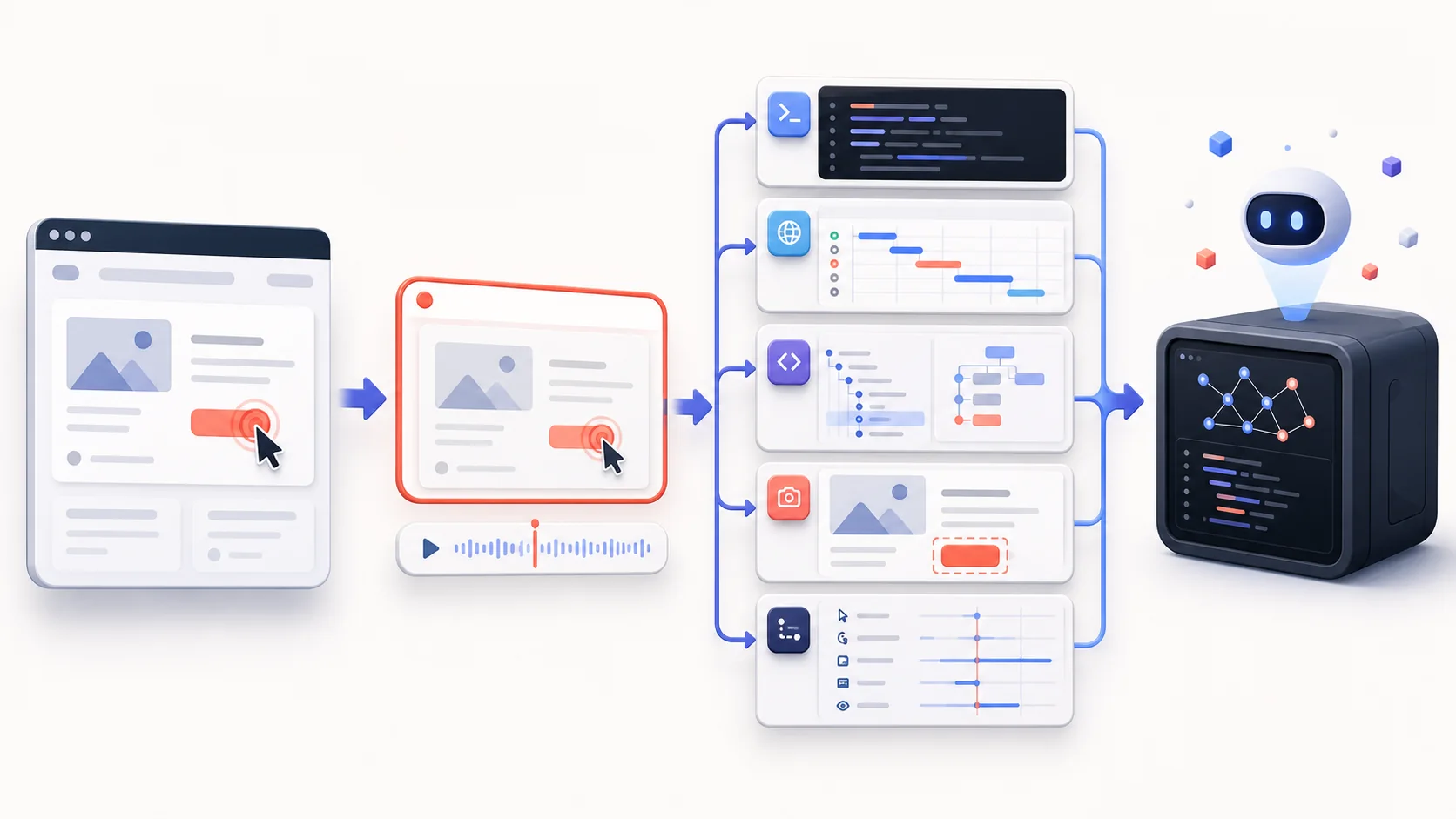
Disbug makes review communication clearer through visual context. Reviewers can capture bugs with screen recordings, screenshots and detailed logs, making it much easier for authors to understand and reproduce issues. For instance, showing a UI glitch via screen recording is far more effective than writing a long description. The tool fits naturally into existing workflows, enabling everyone to participate productively in reviews and ultimately deliver higher quality software.
Taking Your Code Reviews to the Next Level
As your team grows and matures, so should your code review process. This guide will help you enhance your existing practices or build new ones from the ground up, with practical strategies to implement lasting improvements and create a culture of quality code reviews.
Implementing Effective Changes and Gaining Team Buy-In
Getting everyone on board with new processes takes thoughtful planning. Start by showing your team exactly how better code reviews lead to real benefits - fewer bugs making it to production, faster development cycles, and shared learning that helps everyone grow. For instance, share specific examples where thorough reviews caught critical issues before they impacted users.
Test new practices with a small group first before rolling them out more broadly. This gives you a chance to work out the kinks and build internal champions who can help drive adoption. When team members see the process working well for their colleagues, they’re more likely to embrace the changes themselves.
Maintaining Momentum and Measuring Progress
Keep the momentum going by tracking meaningful metrics. Focus on data points like review completion time, number of bugs caught, and team participation levels. These numbers help identify where the process needs fine-tuning and demonstrate the concrete value of code reviews.
Pay attention to warning signs - if reviews are taking longer, look for bottlenecks in your guidelines or process. If teams aren’t catching many issues, consider updating your review checklists or providing extra training. Regular monitoring helps you spot and fix problems early, keeping your code review culture strong.
Practical Templates and Checklists
Well-designed tools make reviews more consistent and thorough. Create focused checklists that guide reviewers through key areas like code style, functionality, security, and performance. For example, include items for common vulnerabilities, error handling patterns, and style guide compliance.
Standardize how feedback is given using templates that promote clear, constructive discussion. Good templates guide reviewers to explain both what needs improvement and how to fix it, making feedback more actionable. This structured approach helps teams communicate more effectively during reviews.
Overcoming Implementation Challenges and Learning from Others
Every team faces hurdles when improving their process. Common challenges include resistant team members, time pressure, and varying skill levels. Address these head-on with clear documentation, training sessions, and open channels for discussion - whether through team chat, regular meetings, or a shared knowledge base.
Study how other successful teams have built strong review cultures. Their experiences can help you avoid common pitfalls and find creative solutions. Look for relevant case studies and best practices that match your team’s context and goals.
Ready to make your code reviews more efficient? Try Disbug today - this Chrome extension helps teams catch bugs faster with screen recordings, screenshots, and detailed logs, streamlining the entire review process.