Optimal Software Development Team Structure: Your Complete Guide to Building High-Performing Teams
The Evolution of Modern Software Development Teams

Software development teams have changed significantly in recent years. The old top-down structures are being replaced by flexible and distributed teams that can move quickly and adapt to change. This shift helps companies stay competitive in a fast-moving industry.
Research shows that by 2025, 78% of software teams will work in distributed environments. Teams that are well-organized report 42% higher sprint completion rates and 35% better code quality. These numbers highlight why team structure matters so much. Learn more about effective team structures in this comprehensive guide to software engineering team organization.
Adapting to Distributed Environments
Remote work has changed how teams collaborate. With team members spread across different time zones, companies need clear processes for communication and coordination. Tools like Slack for chat and Jira for project tracking help keep everyone in sync. This setup lets companies hire great talent regardless of location.
Embracing Agile Methodologies
Agile development has reshaped how teams work together. Instead of long development cycles, teams work in short sprints with frequent feedback. Self-organizing teams take ownership of their work while staying aligned with company goals. Clear communication remains essential for Agile teams to succeed.
The Importance of Cross-Functional Teams
Modern development relies on diverse teams working closely together. Developers, designers, testers and product managers collaborate daily to solve problems faster. Each person brings unique skills that complement the team. Success requires open communication and shared understanding of goals.
Focus on Autonomy and Accountability
Teams now have more freedom to make decisions about their work. This ownership increases motivation and job satisfaction. Regular feedback and clear metrics help teams stay on track while maintaining independence. The next section will explore how to find the right balance in team size and skills.
Finding the Sweet Spot: Optimal Team Size and Composition
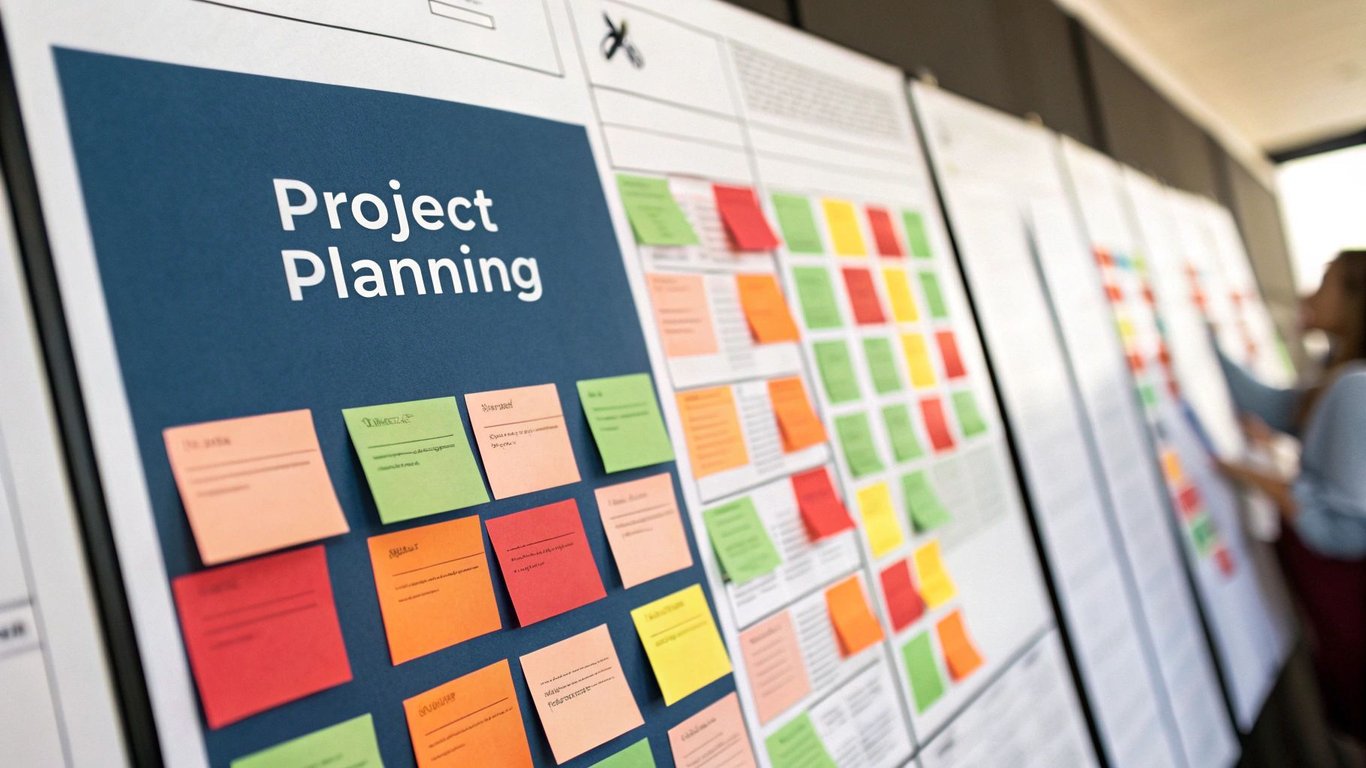
Creating a great software development team goes beyond simply hiring skilled developers. Success comes from thoughtfully combining the right number of people with complementary abilities. Too few team members leads to overwork, while too many causes communication headaches. Let’s explore how to find the right balance for your projects.
The Impact of Team Size on Performance
The size of your development team directly affects how well people work together and deliver results. Teams of 3-5 members often communicate more smoothly and share a clear vision of project goals. This promotes personal investment and faster decisions, though smaller teams may lack certain specialized skills. Larger groups offer more diverse expertise but need more structure to stay coordinated. Research by QSM suggests 3-7 people hits the sweet spot - enough talent to handle the work while keeping communication manageable.
Balancing Specialists and Generalists
A key consideration is mixing specialists and generalists effectively. Specialists provide deep knowledge in areas like databases or frontend development, making them essential for complex technical challenges. Generalists understand multiple domains, allowing them to flexibly fill different roles as needs change. The right combination depends on your project’s technical requirements and scope.
Blending Seniority Levels
Strong teams integrate both senior and junior developers. Senior developers guide the team with their experience, technical leadership, and mentoring abilities. Junior developers contribute fresh energy and eagerness to learn. This combination creates an environment where knowledge flows freely. Senior team members can coach newer developers, spreading expertise across the group rather than concentrating it in a few key people.
Adapting to Project Needs
Team structure should evolve as projects progress. Early phases may need just a small core group focused on fundamental features. As complexity grows, you can add specialized roles or expand existing ones. Regularly assess team performance and workload distribution, adjusting the mix of skills and experience levels to keep pace with changing project demands.
Essential Roles and Responsibilities in Agile Teams

Setting up the right software development team structure is key for delivering successful projects. Teams need clearly defined roles and responsibilities to work efficiently together. This is especially important in Agile approaches, where teamwork and flexibility drive results.
Recent data shows that 71% of US companies now use agile project management. Most agile teams have around 9 members working together, with several essential roles. The Product Owner focuses on understanding customer needs and prioritizing features, while the Scrum Master helps teams communicate and organize their work. Learn more about agile teams here. This setup provides both structure and flexibility.
Key Roles in an Agile Software Development Team Structure
Several core team members work together to deliver successful projects. Each person has specific duties but collaborates closely with others. Good communication between roles helps projects stay on track.
-
Product Owner: Acts as the customer’s voice by setting the product vision and managing priorities. They make sure the team builds features that provide real value to users. The Product Owner guides development decisions based on business goals and user needs.
-
Scrum Master: Helps the team work smoothly by removing obstacles and encouraging collaboration. They guide the team in following agile practices while building self-organization skills. The Scrum Master supports both the team and Product Owner.
-
Development Team: Creates and tests the software through close teamwork. They turn requirements into working features through regular delivery cycles. The development team brings technical skills and creative problem-solving.
Responsibilities and Collaboration
Strong teamwork between roles drives project success. The Product Owner works directly with developers to explain needs and give feedback. The Scrum Master helps manage priorities and keeps communication flowing between all team members.
When problems come up, the team works together to find solutions. If developers hit roadblocks, the Scrum Master steps in to help, whether it’s a technical issue or communication gap. Regular feedback between the Product Owner and development team ensures the product meets user needs.
Adapting Roles to Project Needs
While these core roles form the foundation, teams can adjust responsibilities based on project size and needs. Smaller projects may have people filling multiple roles. As projects grow, dedicated people for each role become important. The key is finding the right mix of roles and responsibilities that lets the team deliver great results.
Building Resilient Teams Through Smart Risk Management

Creating a strong software development team requires thoughtful planning around team structure and risk management. Success depends on carefully balancing how knowledge flows between team members, fostering real collaboration, and preparing for unexpected challenges. When structured properly, teams can adapt to change while consistently delivering quality work.
Distributing Knowledge and Expertise
Knowledge silos pose a major risk when critical project information is held by just one person. If that team member becomes unavailable, work can grind to a halt. The solution is spreading knowledge across the team through pair programming and cross-training. Having two developers work together on code both improves quality and ensures shared understanding. Cross-training team members on different aspects enables them to cover for each other seamlessly.
Implementing Effective Pair Programming
When used strategically, pair programming helps teams manage risk effectively. While it may seem like using double the resources, the benefits typically outweigh the costs. Real-time code review and knowledge sharing catch bugs early, reducing debugging time later. The collaborative nature also helps team members develop deeper understanding of the codebase.
Managing Technical Debt Proactively
Technical debt accumulates when teams choose quick fixes over better long-term solutions. A well-structured team can help manage this challenge. Dedicating resources to address technical debt in each sprint prevents it from becoming overwhelming. Some teams create dedicated groups focused on improving existing code. Taking action early keeps projects maintainable over time.
Building Redundancy Without Redundant Costs
You don’t need to double every role to create redundancy. Strategic team structure achieves this through flexible roles and cross-training. For new features with many unknowns, starting with a small focused team is often best. 2-4 engineers working in pairs provides both redundancy and collaboration benefits. Learn more about ideal software development team structures here. This approach maintains effectiveness even when team members are unavailable.
Frameworks for Identifying and Addressing Risks
Early risk identification is essential for effective management. Tools like SWOT analysis help teams systematically evaluate potential challenges. With risks identified, teams can adjust their structure proactively. For example, when working with new technology, dedicating resources to research and training reduces delays from the learning curve. This proactive approach helps teams deliver successful outcomes consistently.
Mastering Team Communication and Collaboration
Quality communication is essential for high-performing software development teams, especially as remote work grows and projects become more complex. This section explores proven methods for optimizing team collaboration and communication.
Establishing Effective Feedback Loops
Regular feedback helps teams improve continuously and stay aligned. Feedback should flow in multiple directions - between developers, from managers, and from stakeholders. Code reviews are a prime example - they boost code quality while enabling knowledge sharing. Tools like Disbug make bug reporting more efficient by providing detailed context between QA and development teams. This helps create an environment of open dialogue and shared responsibility.
Managing Technical Discussions Across Time Zones
With global teams becoming common, coordinating across time zones requires careful planning. Teams rely on async tools like project management platforms and documentation hubs so members can contribute whenever works best for them. However, real-time meetings remain important for complex problem-solving and key decisions. Finding the right balance between sync and async communication keeps everyone informed while respecting schedules.
Building Strong Team Relationships
Good relationships are key to productive teamwork. While technical skills matter greatly, abilities like empathy, active listening, and constructive feedback are just as crucial for collaboration. This is especially true in software development where complex challenges require close teamwork. Even virtual team building activities help create connections and improve communication patterns.
Practical Tools and Techniques for Improving Collaboration
Several specific tools can enhance how teams work together. Project management software like Jira or Asana helps track work, manage tasks, and centralize discussions. Clear task ownership prevents confusion and creates accountability. Code collaboration platforms like GitHub enable version control and code reviews, promoting knowledge sharing and quality. Together with defined communication protocols, these tools create a foundation for efficient teamwork.
Resolving Conflicts Constructively
While disagreements are normal, having processes to address them productively is essential. This includes clear channels for raising concerns and structured approaches to mediation. Open communication and mutual respect help teams turn conflicts into opportunities for growth and better understanding, creating more resilient team dynamics.
Maintaining Clear Communication Channels Across Different Organizational Structures
As companies scale, keeping information flowing between teams becomes more complex. A clear communication strategy defining roles, responsibilities and protocols helps manage this growth. Regular cross-team meetings allow groups to share updates and spot potential issues early. This transparency improves coordination across the organization and leads to better outcomes.
Future-Proofing Your Development Team Structure
Changes in software development move at warp speed. To maintain your competitive edge, your development team needs strong foundations while staying flexible enough to adapt to what’s next. This requires careful planning, emphasis on learning, and room for new ideas.
Adapting to Emerging Trends
Artificial Intelligence (AI) is reshaping how development teams work. Setting up your team to thrive with AI means having both specialists and team members who can apply AI tools effectively in their roles. Some teams create dedicated AI positions, while others focus on training existing staff. The rise of hybrid work also requires clear communication channels and project management approaches that keep everyone connected, whether they’re remote or in-office.
Building a Learning Organization
Fast-paced tech changes mean teams must keep learning to stay relevant. Foster a culture of learning through professional development, industry events, and time to experiment with new technologies. Set up mentoring relationships between senior and junior developers, and encourage everyone to explore new skills and specialties. When team members stay curious and growth-minded, the whole team becomes more adaptable.
Structuring for Continuous Innovation
Create space for new ideas to flourish by welcoming experimentation and fresh approaches. Dedicate resources to research and development, try rapid prototyping, and give team members channels to share their innovative ideas. Move away from strict hierarchies toward collaborative models where teams take ownership of their work and solve problems proactively.
Evaluating and Adapting Your Team Structure
Check in regularly on how your team structure is working. Use SWOT analysis to spot strengths, weaknesses, opportunities, and threats in your current setup. These insights help you adjust course and keep your team effective. For example, if a new technology is causing friction, create a focused group to master it and share their knowledge. Taking action early helps your team stay strong through changes.
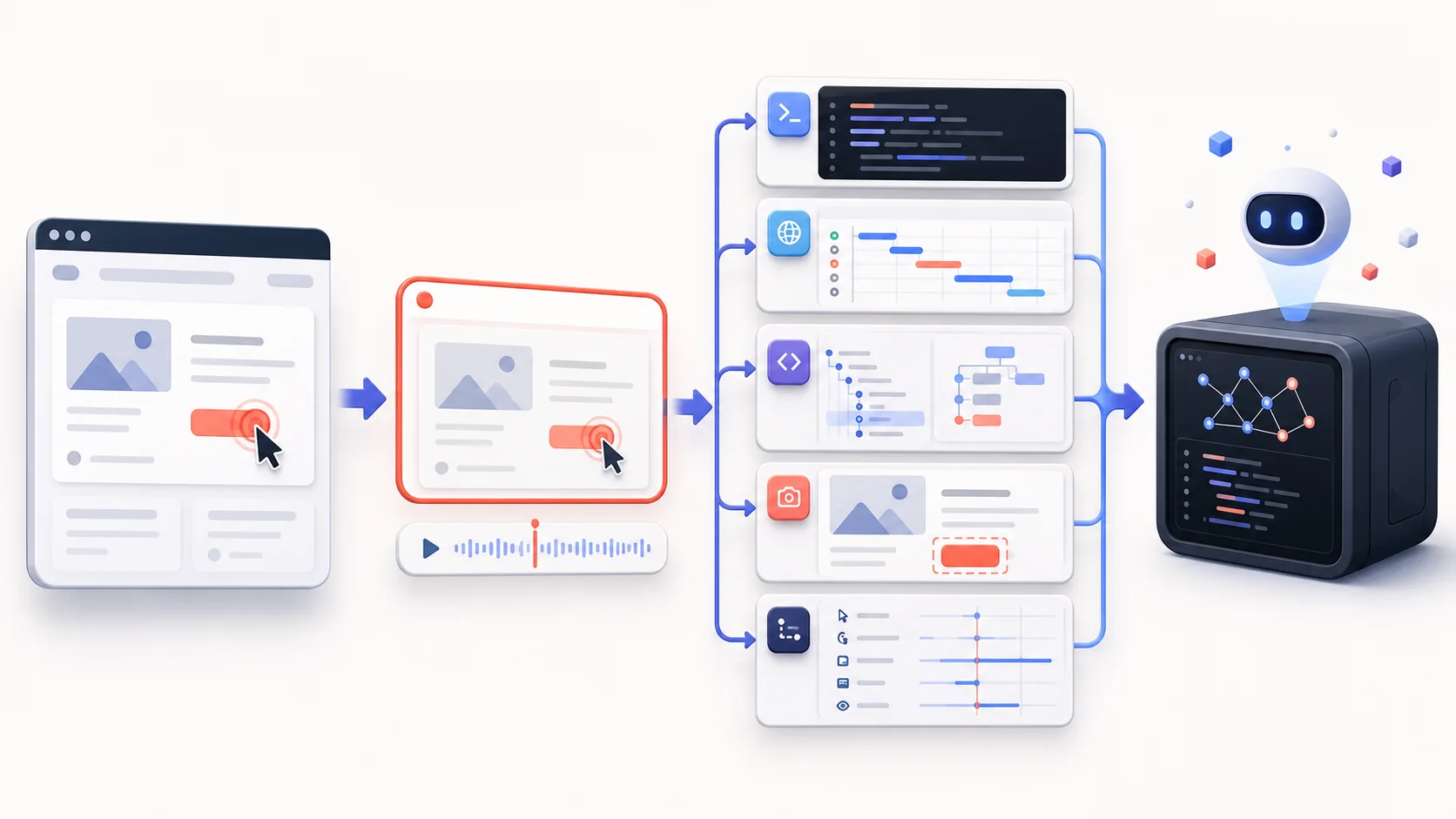
Looking to make bug reporting easier and boost your development team’s effectiveness? Disbug helps teams capture bugs with screen recordings, screenshots, console logs, and more, uploading them directly to your project management tool with a single click. Learn more about how Disbug can transform your workflow.